Профессиональная автомойка для грузовиков и внедорожников in 2024: what's changed and what works
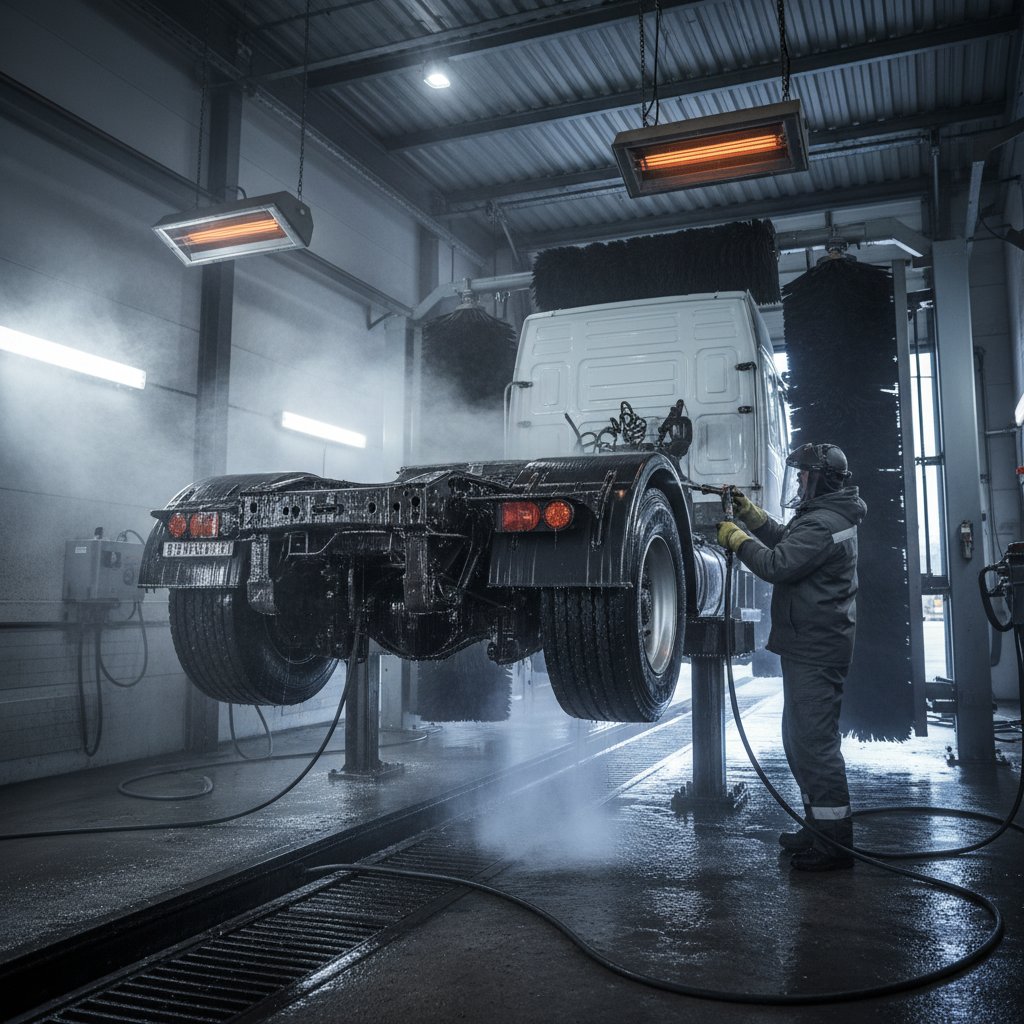
The truck and SUV wash industry has undergone a serious transformation over the past year. Equipment has gotten smarter, chemicals have become more eco-conscious, and customer expectations have shifted dramatically. If you're running a wash bay or thinking about upgrading your operation, here's what actually matters in 2024.
1. Touchless Systems Have Finally Caught Up
For years, touchless washing meant compromise. You'd avoid scratches but accept mediocre cleaning results. That equation has flipped. Modern high-pressure systems now operate at 2,000-3,000 PSI with oscillating nozzles that actually remove road grime from those massive wheel wells and undercarriages.
The real game-changer? Variable pressure zones. These systems detect vehicle contours and adjust pressure automatically—hitting the chassis hard while backing off on mirrors and sensors. One operator in Montana reported cutting damage claims by 87% after switching from brush systems to the latest touchless setup. The initial investment runs between $45,000-$75,000, but insurance savings alone can justify the switch within 18 months.
2. Water Reclamation Is No Longer Optional
Regulations have tightened across North America and Europe. Municipal water costs have climbed 23% on average since 2022. Reclamation systems that filter and reuse up to 85% of wash water aren't just good PR anymore—they're essential for staying profitable.
The technology has improved dramatically too. Newer filtration systems handle the heavy contamination from commercial trucks without constant maintenance headaches. Expect to spend $30,000-$50,000 on a quality setup, but you'll see payback in 12-16 months through reduced water bills. Some jurisdictions even offer tax credits that can cover 20-30% of installation costs.
3. Biodegradable Chemicals That Actually Work
Remember when "eco-friendly" meant "doesn't really clean"? Those days are gone. The latest enzyme-based degreasers break down diesel residue and road tar just as effectively as the harsh stuff, without the environmental hangover.
Operators report using 40% less product per wash compared to traditional detergents because these formulas cling to vertical surfaces better. They're also gentler on painted surfaces and won't degrade rubber seals over time. Cost per gallon runs about 15% higher, but reduced usage means you actually spend less overall. Plus, you're not dealing with hazardous waste disposal fees that keep climbing.
4. Mobile Apps Have Changed Customer Behavior
Fleet managers don't call anymore—they schedule through apps. The best operations now offer real-time bay availability, automated billing, and digital service records. This isn't about being trendy; it's about capturing the commercial fleet business that accounts for 60-70% of revenue at most truck wash facilities.
Integration with fleet management software like Samsara or Geotab means drivers can pull in, wash, and leave without paperwork. The whole transaction flows directly into the fleet's maintenance records. Facilities that implemented this saw their commercial accounts grow by 35-50% within six months. Development costs range from $8,000-$15,000 depending on features, but the customer retention boost is immediate.
5. Undercarriage Washing Has Become the Profit Center
Smart operators figured out that owners of lifted trucks and serious off-road rigs will pay premium prices for thorough undercarriage cleaning. We're talking $40-$60 add-ons for a service that costs maybe $8 in chemicals and water.
The equipment has evolved to match demand. Drive-over systems with articulating nozzles can now blast mud and salt from every angle, including inside frame rails and suspension components. Some facilities report that undercarriage services account for 25% of total revenue despite being offered on less than half of all washes. The ROI on a quality undercarriage system averages 8-10 months.
6. Heated Water Makes All the Difference
Cold water washing is like showering without hot water—technically it works, but not really. Heating systems that maintain 140-160°F water temperature cut wash times by 30-40% and deliver noticeably better results on greasy commercial vehicles.
The energy costs scared operators away for years, but heat recovery systems and on-demand heaters have changed the math. A properly configured setup adds about $2-$3 per wash in energy costs but allows you to charge $10-$15 more for superior results. Commercial fleets especially appreciate the difference, and many now specify heated washes in their maintenance protocols.
The truck and SUV wash landscape looks radically different than it did even two years ago. Technology that seemed experimental has become standard, and customer expectations have risen to match. The operations thriving in 2024 aren't necessarily the biggest—they're the ones that invested in the right upgrades and built systems around efficiency and results rather than just throughput.